The 1980s: Telstar's Resurgence in Dutch Football
In the realm of Dutch football, the 1980s stand out as a significant decade for Telstar. Emerging from the shadows of prior financial crises and unstable seasons, De Witte Leeuwen revitalized their ambitions and reestablished themselves as a formidable force.
The early part of the decade was a time of rebuilding. Following the financial troubles of 1982, the club's management and supporters rallied together to forge a new path. The focus shifted towards nurturing homegrown talent and making astute signings that would enhance the team’s competitiveness. This strategic pivot laid the groundwork for a thriving youth academy, which not only produced skilled players but also created a strong sense of community and loyalty among the fans.
One of the standout moments of this era occurred during the 1986-87 season. Under the guidance of manager Hans Westerhof, Telstar demonstrated remarkable consistency in their performances. The team featured a blend of experience and youth, with players who embodied the fighting spirit synonymous with the club. The synergy between the squad and the loyal fanbase at the Stadium was palpable; every match felt like a celebration of collective resilience.
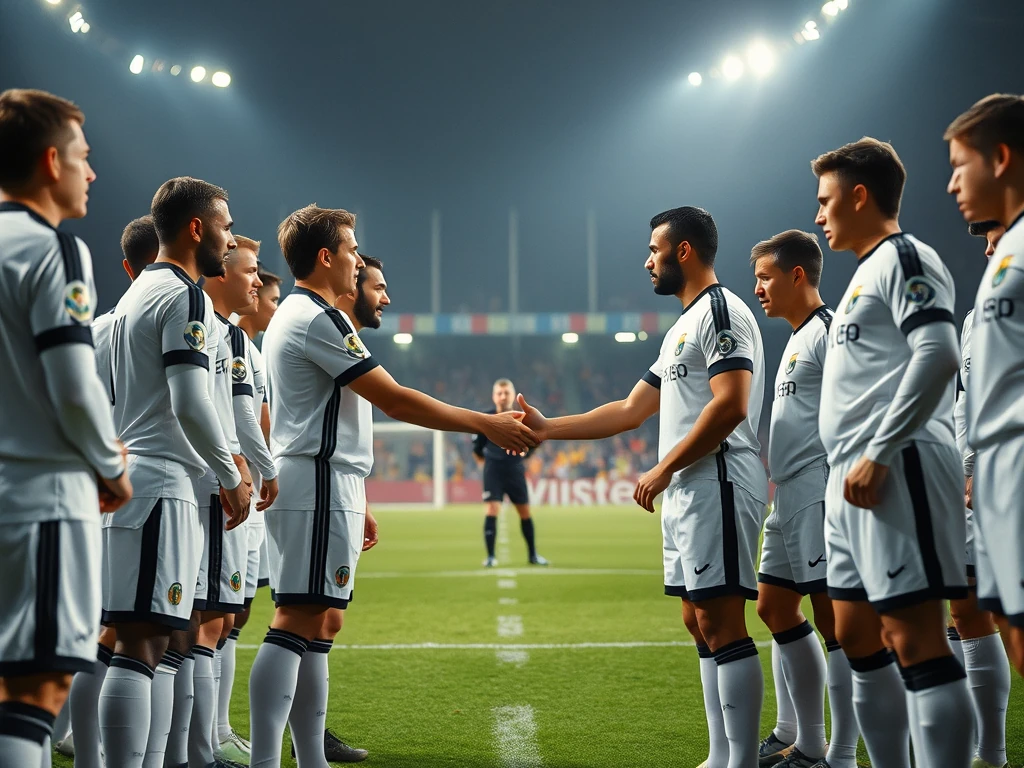
As the league progressed, Telstar's performances began to draw attention beyond Velsen. Their ability to compete with established clubs not only reignited local pride but also attracted new fans and sponsors. Matches against rivals, particularly SC Telstar, took on an added significance, as the stakes were not merely points on the table, but the very essence of local bragging rights.
The culmination of this hard work was seen in their participation in the KNVB Cup, where the club made notable progress, advancing to the later rounds. This achievement served not only as a sign of their growth but also provided a platform for players to shows their talents on a national stage. The Cup runs fostered a sense of belief that the club could achieve greatness, and the supporters rallied behind the team, creating an electric atmosphere during home matches.
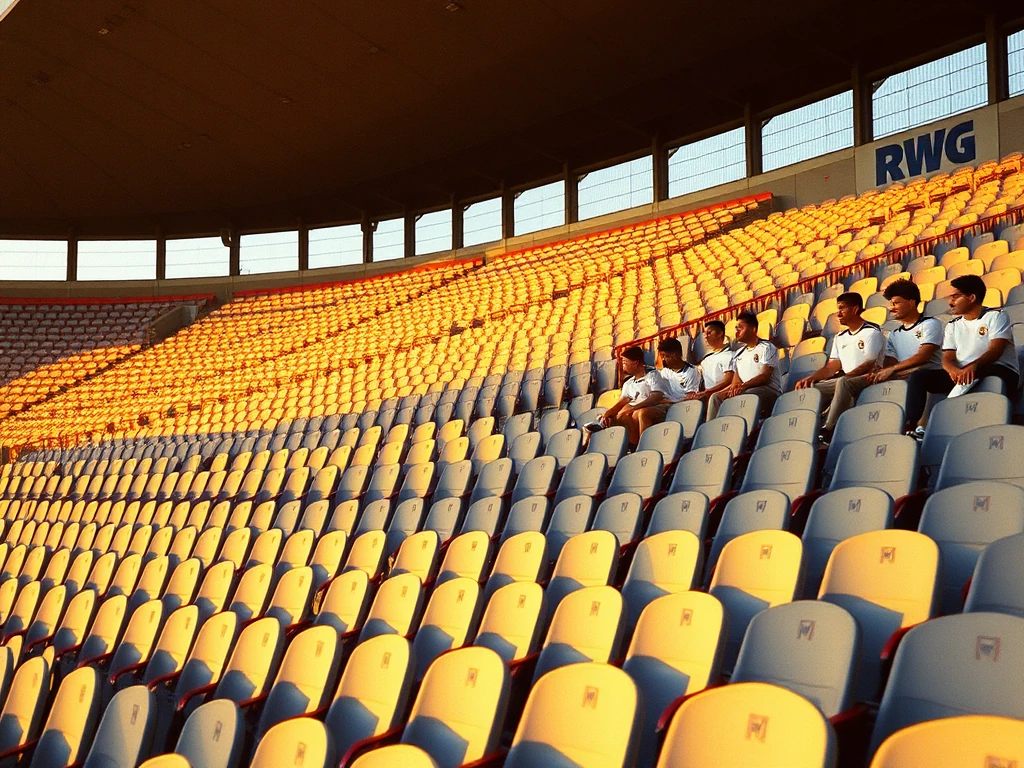
Also, the 1980s were key in establishing Telstar's identity as a club that embraced its roots while aspiring for success. The supporters played an indispensable role in this narrative, often filling the Stadium with their unwavering loyalty and passion. This strong connection between the players and fans created a fortress in Velsen, where opponents feared to tread.
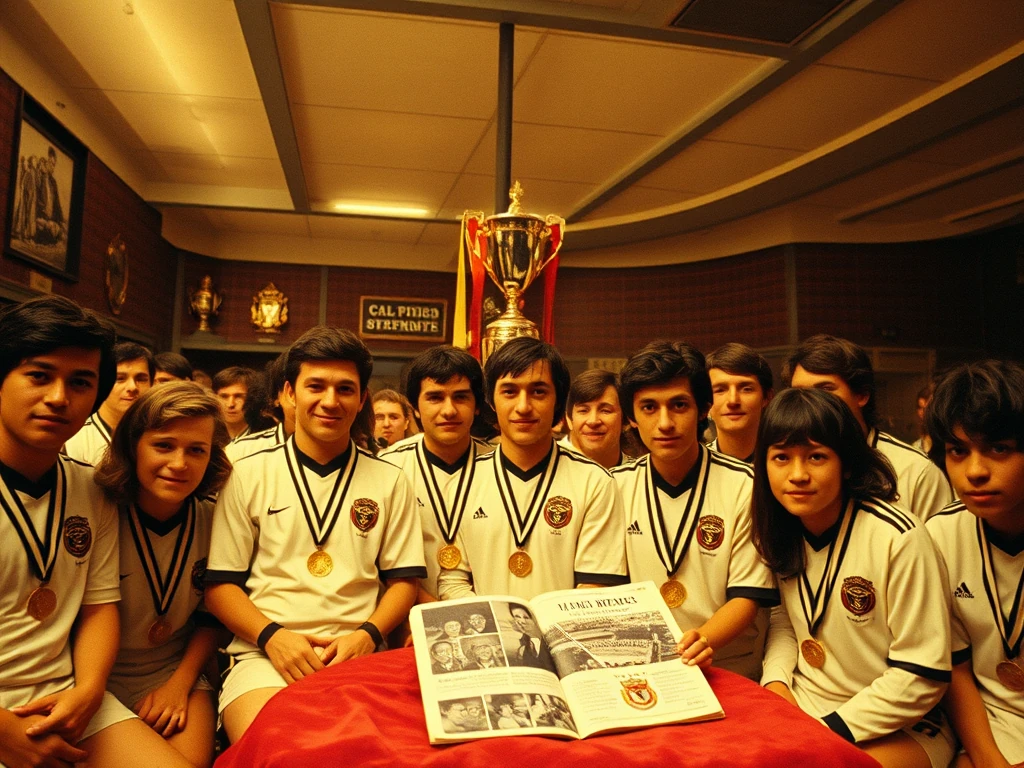
As the decade drew to a close, the legacy of the 1980s was firmly etched into the history of Telstar. The lessons learned during this major era would serve as a foundation for future generations, instilling a sense of pride and ambition that continues to resonate within the club today. The resilience demonstrated by De Witte Leeuwen during this time not only redefined their position in Dutch football but also solidified their reputation as a club capable of overcoming adversity.
In retrospect, the 1980s represent a golden chapter for Telstar, a time when the club revitalized its spirit and forged a path towards a brighter future. The echoes of that era still inspire the current generation of players and fans, reminding them that through unity and determination, greatness is achievable.