
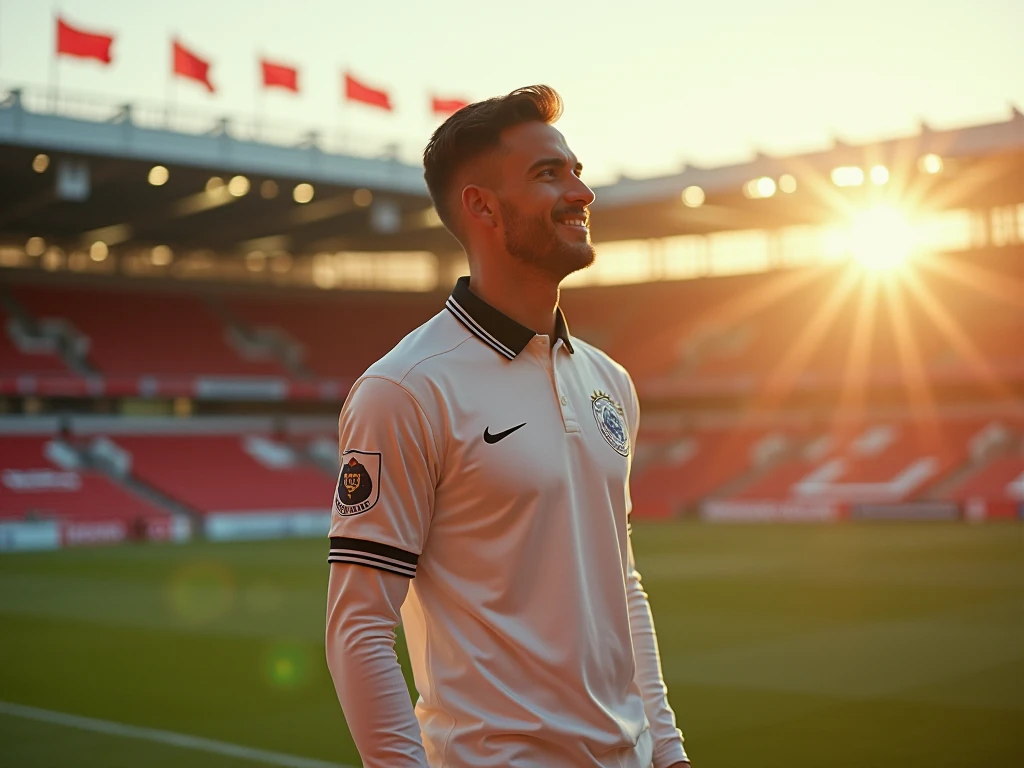
In a digital age where social media platforms dictate trends, the Male Actors Filter on TikTok has emerged as a fascinating phenomenon. This filter, which allows users to see themselves morphed into the likenesses of various male actors, has not only captured the attention of millions but has also stirred conversations around identity, representation, and the nature of celebrity culture.
As this trend gains momentum, we look at why it resonates with fans and what it means for the broader landscape of pop culture, including its intersection with sports, particularly for teams like Telstar in the Eerste Divisie.
The Rise of the Male Actors Filter
TikTok has been instrumental in shaping contemporary celebrity culture, with the Male Actors Filter being a prime example. This feature allows users to engage with their favorite actors in a unique way, transforming their appearances to resemble those of Hollywood icons. This shift in how fans interact with celebrity images reflects a deeper desire for connection and relatability.
- The filter leverages advanced facial recognition technology to create realistic transformations.
- Users can share their results, prompting viral trends and challenges.
- Engaging with the filter offers a sense of fun and escapism, especially during tough times.
The surge of this filter highlights the evolving landscape of how fans perceive their idols. No longer merely passive consumers, fans are now active participants in the creation of celebrity narratives. By using such filters, they explore different facets of identity, often leading to intriguing discussions about masculinity and representation in media.
Celebrities’ Response to the Trend
As the filter gains traction, reactions from celebrities themselves have varied. Some have embraced the trend, viewing it as a form of flattery, while others express concern over the implications of altering one’s image. For instance, actors like Ryan Reynolds and Chris Hemsworth have made light-hearted comments on social media about their likenesses appearing in user-generated content.
The blend of admiration and critique shows the complexities of modern celebrity. While the filter provides moments of humor and relatability, it also raises questions about authenticity. Are fans celebrating their idols, or are they inadvertently contributing to a culture of unrealistic standards?
Also, the filter connects to a wider context where athletes, including players from Telstar, are increasingly seen as varied personalities rather than just sports figures. The intersection of sports and social media has allowed players to shows their personalities beyond the pitch, leading to greater fan engagement and loyalty.
Impact on Fan Engagement with Telstar
For clubs like Telstar, which competes in the Eerste Divisie, leveraging trends like the Male Actors Filter can enhance fan engagement. The club’s social media strategy could benefit from integrating popular trends to connect more deeply with younger audiences. By embracing such cultural phenomena, Telstar can position itself as a forward-thinking club that understands its fanbase.
- Engaging with TikTok trends can increase visibility and relatability.
- Players could use the filter to create fun content.
- Such initiatives can foster a sense of community and belonging among fans.
As Telstar handles its season, the use of social media trends can serve as a vital tool in strengthening its brand and expanding its reach. The youth-oriented nature of TikTok aligns well with the club’s ambitions to attract a younger demographic, ultimately increasing match attendance and merchandise sales.
The Broader Cultural Significance
The phenomenon of the Male Actors Filter is not only a fleeting trend; it reflects deeper societal shifts in how we view identity and celebrity. As fans increasingly curate their online personas, the line between reality and fantasy blurs. This shift in perception also touches upon gender norms, as the filter allows users to explore various aspects of masculinity.
Also, as audiences turn to social media for entertainment and connection, the implications for traditional media outlets become significant. The Male Actors Filter exemplifies how younger generations prefer interactive and participatory content, challenging the conventional celebrity narrative.
- The filter challenges traditional views on masculinity and representation.
- It encourages fans to engage with content in a more personal way.
- The trend mirrors a growing demand for authenticity in celebrity culture.
The ongoing evolution of how fans relate to celebrities suggests that we are entering a new era where engagement and interaction take precedence over passivity. For clubs and players alike, adapting to this shift is essential for maintaining relevance in an increasingly competitive landscape.
Fan Reactions and Community Feedback
The reception of the Male Actors Filter among fans has been overwhelmingly positive, with many expressing joy and amusement at the results. Social media platforms have become repositories of creativity, with fans sharing their transformations and engaging in friendly banter about their favorite actors.
- Users often tag the celebrities they resemble, creating a cycle of engagement.
- The humorous nature of the filter fosters community, as fans share laughs over their results.
- Many fans express a sense of empowerment through the playful exploration of their identities.
This playful engagement not only reinforces fan loyalty but can also translate into support for clubs like Telstar. By tapping into these trends, the club can cultivate a strong sense of community that transcends the pitch, creating a vibrant fan base eager to support their team.
What's Next for Telstar and TikTok Trends
As the Male Actors Filter continues to evolve, clubs like Telstar must remain agile in their social media strategies. The intersection of sports and social media presents an opportunity to engage fans in innovative ways, creating content that resonates with younger audiences. By embracing trends, Telstar can foster a culture of inclusivity and interaction that enhances the overall fan experience.
Looking ahead, it will be key for the club to monitor emerging trends on platforms like TikTok and adapt accordingly. With the growing importance of social media in sports culture, leveraging such trends can be instrumental in enhancing fan engagement and loyalty, positioning Telstar favorably within the Eerste Divisie.
As we move forward, the Male Actors Filter serves as a reminder of the power of social media in shaping contemporary culture and the potential it holds for sports organizations seeking to connect with their communities.